
Archives: Spots

Barbada de Cala Galdana

A submerged canyon located off Cala Galdana facing south. The bottom of the canyon closest to the coast at a depth of 35 meters. At the base you will find many cavities which are a refuge for many sea creatures and a mysterious anchor which normally has large scorpion fish as its residents. Groupers, barracudas, scorpion fish, corvine, snappers, octopuses and rays (in low season) populate its depths.

— Spot description by SSI

— Photos by Ana Ferreira

Cala Galdana

The entrance is from the fantastic beach of Cala Galdana.The benches of posidonia are a nursery for numerous marine life like cuttlefish, salpe, barracuda, octopus and small groupers are often encountered. In some periods of the year, some species of rays can be seen.

— Spot description by SSI

— Photos by Ana Ferreira

Cueva de la Luz

This dive site is amazing for photographers, the dive features many swim-throughs with a climb into a beautiful cave / air chamber, with light filtering in from outside. You can meet groupers, octopuses, moray eels, scorpion fish, barracudas, also you can see colonies of nudibranchs (in particular Felimare Tricolor)

— Spot description by SSI

— Photos by Ana Ferreira
El Campanário

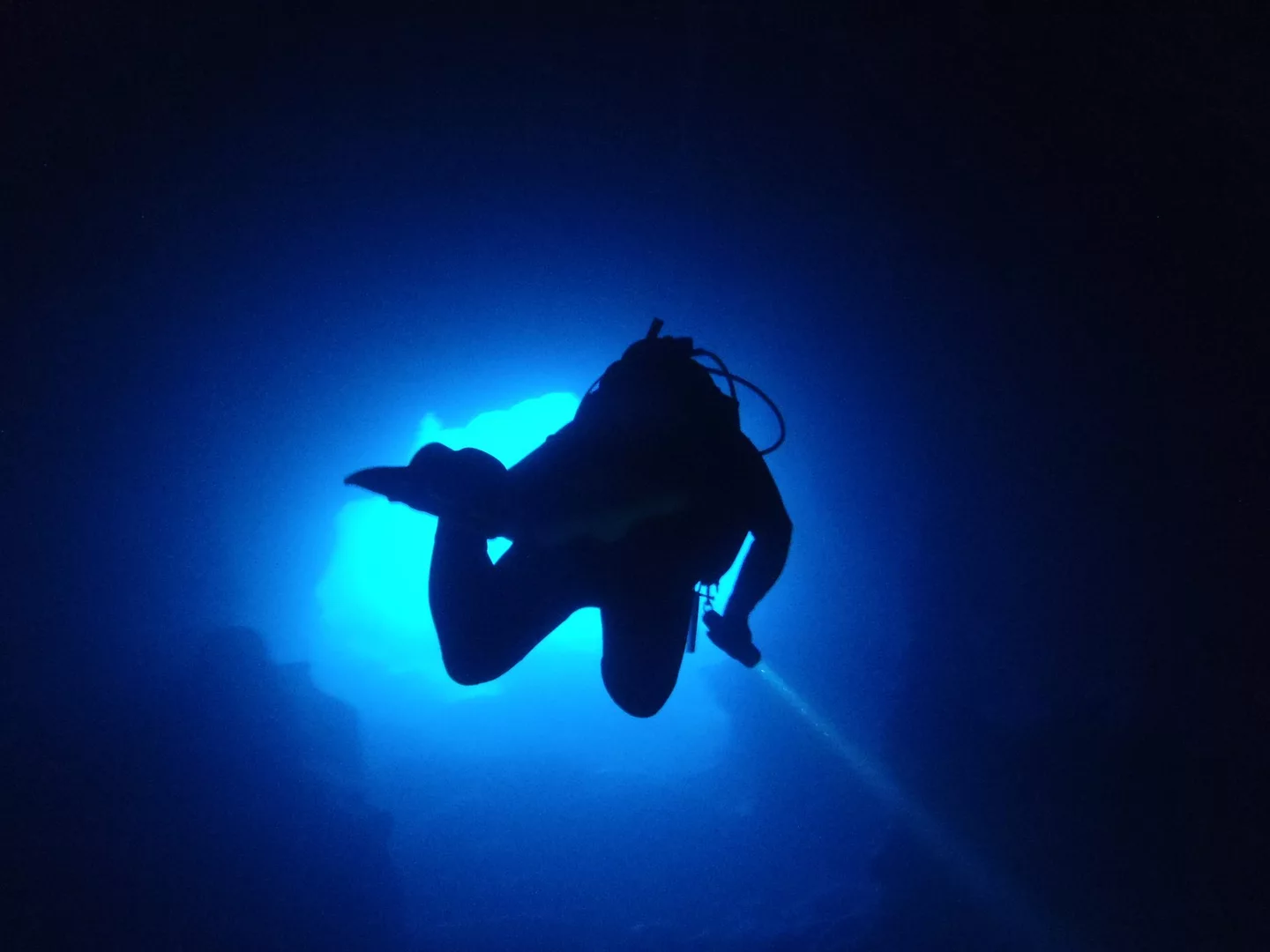
This cavern is also known as ‘Tom’s Belfrey’, and can be entered via 2 different spots. The most interesting thing about this cave is the air pocket located within a chamber in the cave. Many divers indulge in the thrill of being underwater yet having a pocket of breathable air. The Beltower also leads to ‘The Organ Loft’, which is a further cave, only to be dived by experienced divers due to its low ceilings and sandy floor. It should also be dived with a real for extra safety precautions because the visibility is very poor within the cave.

— Spot description by Holidaystourtravel

— Photos by PADI

Pont D’en Gil

This 220 meter long cave dive is suitable for all divers looking to experience some underwater beauty. The cave has been described as a ‘geological masterpiece’ and a must for all budding divers.

Although it is an underwater cave, there are few areas in and around the cave where daylight cannot be seen, which is one of the primary reasons it is suitable for all divers, even those on their first dive who are still a little unsure of the water.

— Spot description by Holidaystourtravel

— Photos by PADI

Ocean Diver – wreck

Laying 27 meters below the surface, the Ocean Diver wreck is 1.25 kilometers off shore. This shipwreck is the ideal excursion for beginners particularly interested in shipwrecks as the ship is relatively small and uncomplicated compared to other wrecks around the coast of Menorca. Over the years the wreck has deteriorated significantly and it is thought that the wheelhouse may soon collapse into the hull. The beautiful translucent sea squirt Clavelina lepadiformis lives within this wreck, and it’s worth visiting if only to experience these fantastic creatures. 

— Spot description by SSI

— Photos by Ana Ferreira and PADI
Cueva de Escorxada

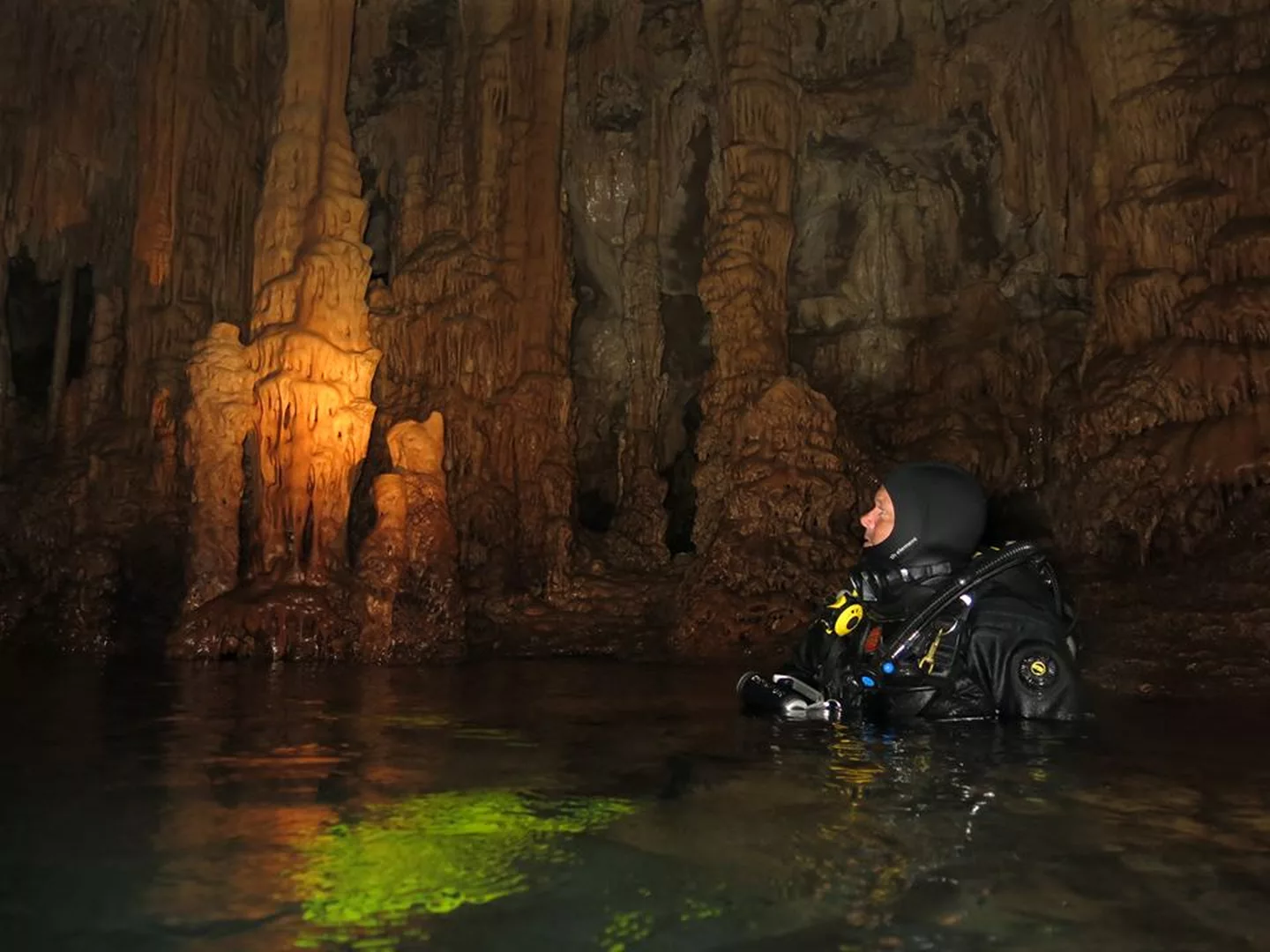
A very large system of caves and tunnels, the longest being around 300m long. The main entrance is 5 meters away and the galleries are separated into rooms and caves. Groupers, octopuses, nudibranchs. In the gallery you can see crustaceans such as shrimps, hermit crabs etc, and in the sand in front of rays and Dactylopterus volitans(owl fish)

— Spot description by SSI

— Photos by Ana Ferreira
Es Cargol

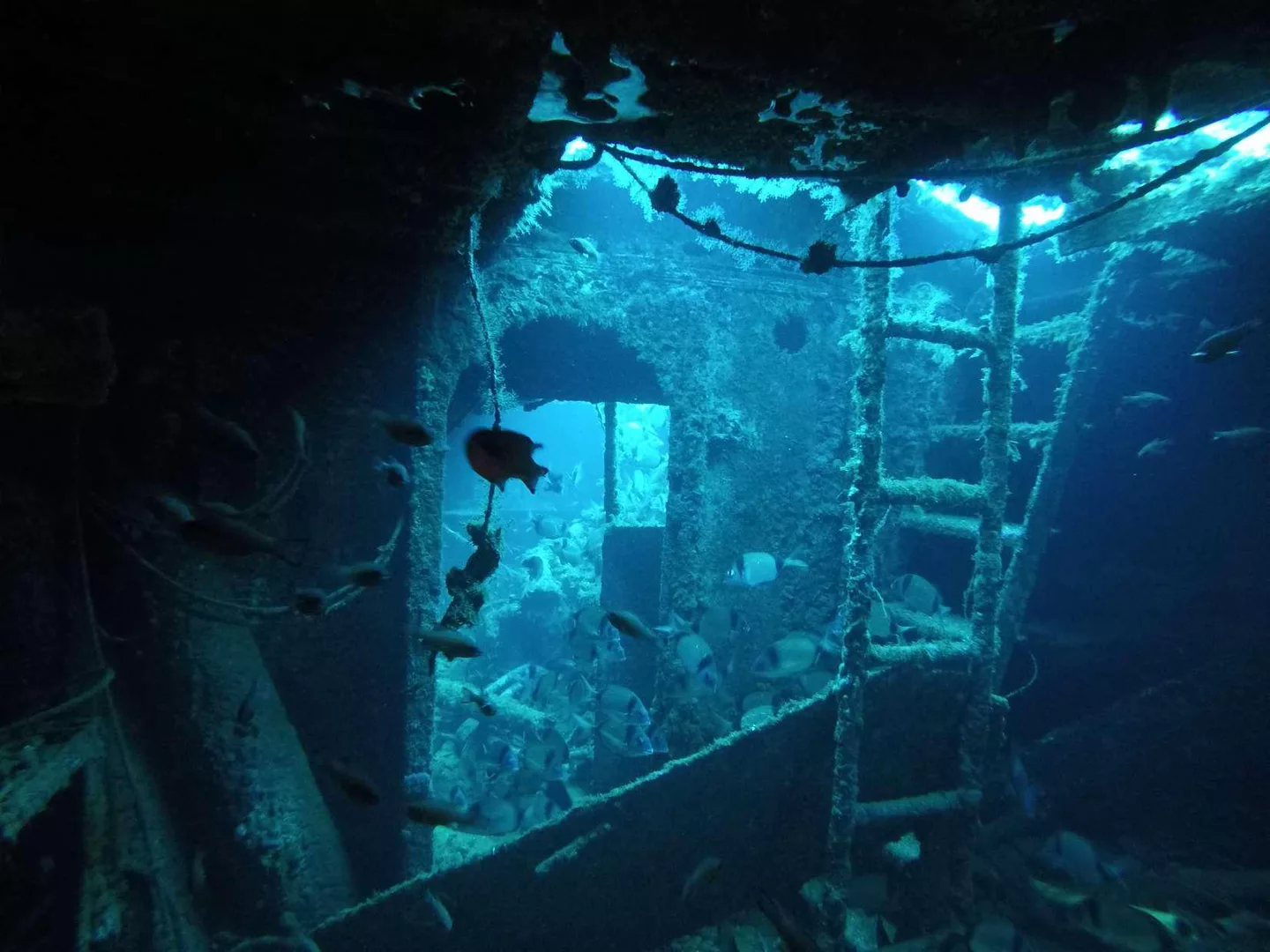
On the south coast of Menorca, near Binibeca beach, we find the Escull de Es Cargol. A rock that offers a variety of life, tunnels, arches and holes of different shapes. The current will be decisive in deciding the level of the dive.

Dive spot full of life: schools of barracudas, schools of damnselfish, groupers, moray eels, nudis and many other species of fish and molluscs prowl the reef.

— Spot description by SSI

— Photos by Ana Ferreira

Punta del Bisbe

Dive spot located west of Isla de Aire, which is why it is part of the Marine Reserve. It is one of the liveliest dives in the Mahón area. There is a small but beautiful double level cavern, several tunnels through the rock and even a sailboat mast. The variety of elements makes it spectacular.

At the beginning of the dive we will see a large bank of damnsels. Schools of amberjack and barracuda are common. Nudis, moray eels, groupers are the usual ones. Sometimes we see tuna.

— Spot description by SSI

— Photos by isoladiminorca and Eurico Roseiro

Cagaires

Dive spot under a rocky overhang near the island Isla del Aire. We start the dive on a big platform, we drop at a 18m depth sandbank. We will enter in a enormous cavern that crosses under the rocky overhang offering amazing backlighting.

In the platform we can find salemas, two-banded seabream, groupers hidden on the holes, barracudas. and Inside the cavern we can see nudibranches, moray-eels and some congers.

— Spot description by SSI

— Photos by Eurico Roseiro

Malakoff

This French cargo ship suffered a tragic maritime accident off the coast of the extreme SW of the island of Menorca on January 2, 1929 when it collided with the Escull des Governador. The incident had a very quick outcome, as the ship sank in a short time about 500 meters to the south, taking most of its crew members with it. At a depth of 30 to 38 meters, on a sandy bottom, the wreck has already been partially scrapped. The most remarkable thing is considered to be the extraordinary life that has settled inside it, both plant and animal: sea squirts, nudibranchs, sponges, gobies, three tails, serranos, moray eels, groupers, conger eels, barracudas, palometas, etc. which makes it the best artificial reef with life existing in the waters of Menorca. Difficulty of the average dive, given the depth.

— Spot description by buceaenlahistoria

— Photos by Joe´s Scuba Shack

Ses Cambres

Ses Cambres, is a very shallow divesite used for courses and discover scuba diving, also good place for snorkeling. Beautiful clear waters, sandy bottom with some rocks, some amazing swim throughs and calm waters perfect for beginners.

— Spot description by SSI

— Photos by Pedro Afonso