Archives: Spots

El Poris

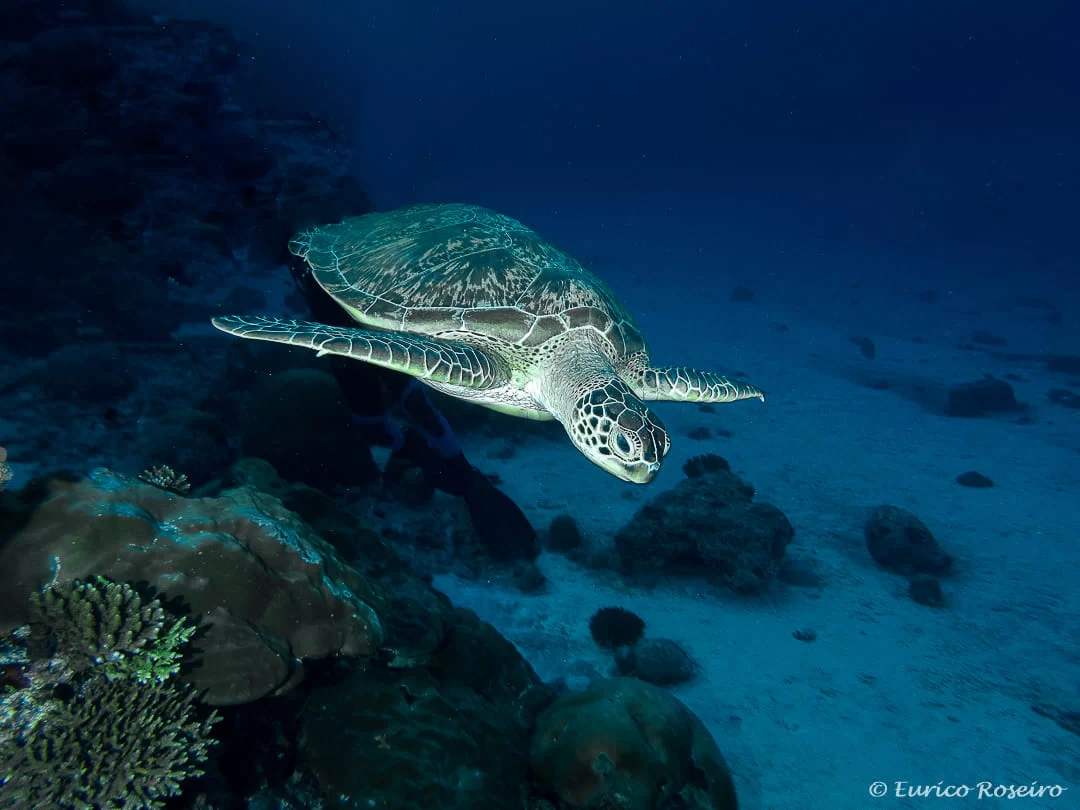
The entrance is from a pier with a pedestrian paths next to which there are free parking spaces. Comfortable entrance with large non-slip stares and rope for low tide hours. Sheltered from the main north east trade winds. One of the  highlights of El Porís are its cracks and crevices as we follow the coastline. Hidden among them we can find curious creatures. We may stumble upon lanky spider crabs or hypnotizing cuttlefish. El Porís is a refuge for turtles, octopuses and nudibranchs so keep your eyes wide open and don’t let anything escape you. There are also camouflaged statues along the way, tell us what you’ve seen and we’ll tell you if you’ve found them all.

— Spot description by SSI

— Photos by Ana Ferreira, Canarias7 and Eurico Roseiro

El Tablado

Located in n the heart of the beautiful town of El Tablodo, this is a very nice dive along town’s shore. Easy access to water, rocky, and sandy mixed bottom with sea grass further to the ocean. Besides a lot of fish, there are barracudas, octopuses, cuttlefish, stingrays, and much more. Also, Atlantic triggerfish have been spotted here. 

— Spot description by SSI

— Photos by Ana Ferreira


Las Eras

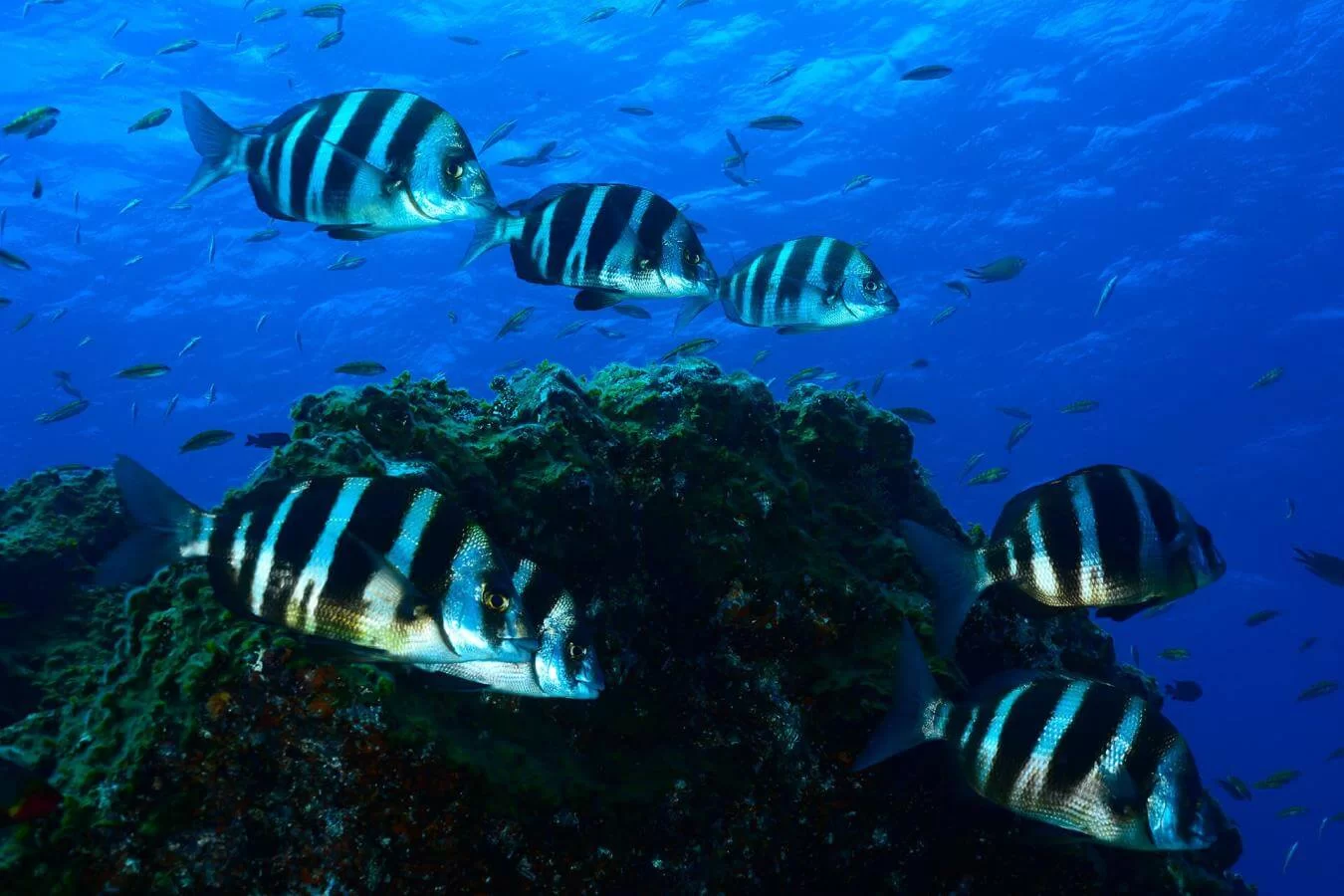
On the East coast, this dive site it is suitable 365 days a year thanks to the breakwater wall that protects the entrance. Tidal changes can cause the formation of currents and undertow along the wall, This site is not to be underestimated. This dive is multinivel we can choose shallow or deep. We can find here triggerfish, eagle rays, octopus, morays, sea breams, bass, groupers, trompet fish.

— Spot description by SSI

— Photos by Alexandre Oliveira and  Canarias7


La Caleta

Right at the end of the platform a large school of grunters and horse mackerel fill the area with color. Under the ledge it is common to find a stingray or angelshark, we will see trumpets, mullets, nudibranchs, black and duck-billed moray eels, Canarian crayfish, cleaning shrimp, octopuses, mullets, and much more.

— Spot description by SSI

— Photos by Alexandre Oliveira anda Eurico Roseiro


Playa de la Caleta del Espigón

This dive site is shore dive accessible when it is calm sea or a west wind, but it is easier to enter from the north end. You may see eagle rays, morays, angel sharks, bonitos, octopus, cuttlefish, barracuda, nudibranchs, rays, and roncadores. 

— Spot description by SSI

— Photos by Alexandre Aires Oliveira


El Rincon

At El Rincon, the adventure begins almost as soon as you leave the port of La Restinga. Just metres from the harbour, you descend into the calm blue waters of the Mar de las Calmas Marine Reserve and discover a surprisingly rich underwater landscape.

As you explore, moray eels peek from the rocks while groupers patrol the reef. Parrotfish and Barred Hogfish add flashes of colour, while schools of horse mackerel move through the blue. Keep your eyes towards the open water too—eagle rays may glide gracefully past, turning an easy dive into an unforgettable encounter.

With depths reaching around 22 metres, El Rincon is an accessible introduction to the underwater world of El Hierro, and proof that you don’t have to travel far from shore to find something extraordinary.

— Photos by Eurico Roseiro

Playa la Herradura

Just two minutes from La Restinga, Playa la Herradura drops you into one of the liveliest corners of the Mar de las Calmas Marine Reserve.

At only a few metres deep, the rocky landscape is already overflowing with encounters. Colourful parrotfish weave between the rocks, groupers watch from the shadows, and moray eels appear from almost every crack. Look closer and you may spot lobsters and scrawled filefish, while cerianthus sway gently in the current.

Then look out into the blue. Tuna can cruise past, adding a sudden sense of open-ocean adventure to this relaxed dive. With depths reaching just 18 metres, Playa la Herradura is an easy-going dive where the real challenge is deciding where to look first.

— Photos by Eurico Roseiro, Miguel Miranda and Pedro Bernardo

Puerto de la Restinga

Who said you need to leave the harbour to find the wild side of the ocean?

At Puerto de la Restinga, the adventure begins almost at the water’s edge. Descend into exceptionally clear waters and explore a rocky underwater world alive with fish and marine life. It’s a favourite spot for night dives, training and first underwater experiences, but don’t let its sheltered setting fool you. Turtles, rays and even spiny butterfly rays can make a surprise appearance, sometimes just a short distance from the fishing boats.

With the harbour lights fading above you and the darkness revealing a completely different side of El Hierro, every dive here feels like discovering a secret beneath the surface.

Sometimes, the wildest encounters are hiding right where you least expect them.

— Photos by Eurico Roseiro

La Caleta

Follow the reef down and watch the blue come alive around you.

La Caleta is the kind of dive where every metre brings something new. Starting in relatively shallow water, the reef gradually drops away towards the deep, creating a dramatic underwater landscape where huge schools of horse mackerel, amberjack and barracuda move through the blue.

As you explore, small caves invite you closer, while an impressive arch covered in black coral adds a mysterious touch to the reef. With depths reaching 45 metres, there’s plenty here to keep experienced divers curious, while shallower sections offer an equally rewarding introduction to El Hierro’s underwater world.

One reef, endless encounters and the deeper you go, the more there is to discover.

— Photos by Holasilascanarias and Pedro Afonso

Roque de Bonanza

This volcanic dam emerges from the sea depths of Las Playas, is one of the natural symbols of the island of El Hierro. The wall drops to almost 50 meters and allows you to go around it, offering a splendid view of its underwater wealth of flora and fauna. This dive is well protected from currents so the conditions for diving are ideal almost all year round. During our tour we will find colonies of tube worms, moray eels, blue grouse, spiny drums, horse mackerel, amberjacks, etc. However, to enjoy its maximum splendor it is recommended to do this dive in summer, when there is usually more life.

— Spot description by Holaislascanarias

–Photos by: Eurico Roseiro, Holaislascanarias and Pedro Afonso

Baja Bocarones

Baja Bocarones is one of the best wall descent and marine life dives in El Hierro. About three nautical miles from the southern end of the island of El Hierro, up its eastern coast, is the descent point to a volcanic rock tower shaped like a column and about 30 meters high. It is difficult to believe that this obelisk with absolutely vertical walls has not been molded by human hands. Two natural submerged towers with underwater life The route can include two towers: the largest, whose top is 12 meters deep, and the smallest and closest to the coast, whose sharp peak is close to -7 m. The rocky underwater landscape is remarkable, but so is the marine life. Surrounding the pitons are schools of seabream, sandpipers and amberjacks. On the sandy bottom there are mutts, Canary lobsters and large groupers. In the crevices and deep areas, black coral and moray eels.

— Spot description by Holaislascanarias

— Photos by Holaislascanarias

El Bajon

This dive spot is considered one of the best in El Hierro.

A  underwater mountain with vertical walls where the currents feed a varied and abundant marine fauna. Located at the southern end of the island of El Hierro, in front of the fishing town of La Restinga, this mountain with two peaks of six and nine meters deep respectively is one of the best diving spots in the La Restinga-Mar Marine Reserve. de las Calmas and one of the usual destinations for underwater photographers from the famous Open Fotosub championship in El Hierro. Its walls, which can go till 100 meters in some points, are inhabited by m0ray eels and elegant groupers of large proportions. It is not unusual to find groups of woodpeckers and majestic specimens of John Dori ( Zeus faber ) surrounding this cathedral. Although the diver will have countless details to observe on the way down – such as the famous ‘crater’ – it is advisable to scrutinize the surrounding waters in search of the occasional visit of devil mantas or whale sharks.

— Spot description by Holaislascanarias

— Photos by Eurico Roseiro and Holaislascanarias